The Future of Local Search Is a Better Website
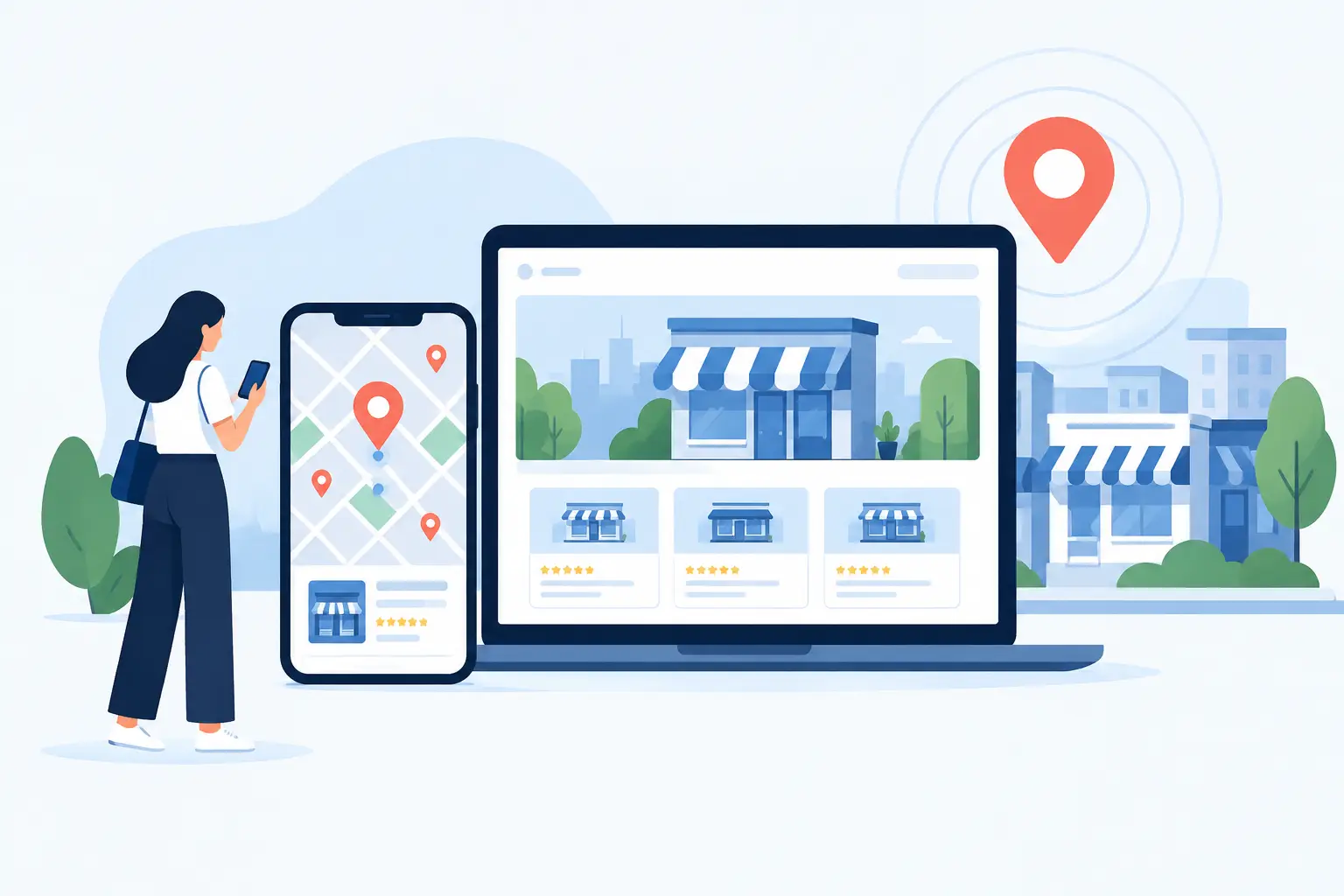
A business can have a recognizable name in its market and still lose a prospect before the first call. The future of local search is making that gap more visible. Search results are becoming better at comparing businesses, summarizing choices, and sending people directly to the pages that appear most useful and credible.
For established businesses, this is not a reason to chase every search feature or redesign a website every year. It is a reason to make sure the website behind your local presence can carry its weight. A fast, current, well-structured site with original content and clear proof of local experience gives search platforms and prospective customers something far more valuable than a generic listing: a credible reason to choose you.
The Future of Local Search Is Less About One Result
Local search used to feel like a simple contest for visibility. A person searched for a service near them, saw a map and a short list of companies, then chose one. That path still matters, but it is no longer the whole decision.
People may begin with a broad question, refine it by city or neighborhood, compare providers across several tabs, read reviews, check credentials, and visit a website before contacting anyone. Search systems increasingly help them make those comparisons by presenting business details, service explanations, images, reviews, and direct answers in more places.
That means local visibility is not separate from your website. A search result can earn the click, but a weak website can still end the conversation. If the page is slow, dated, confusing, thin on details, or visually indistinguishable from competitors, strong marketing cannot save it.
For a remodeling company, a visitor may want evidence that the firm understands projects in their area, not a vague gallery of stock photos. For an ophthalmology practice, they may need clear information about a procedure, physician qualifications, and what to expect next. For a government contractor or B2B technology company, credibility may depend on capabilities, certifications, industries served, and a clear explanation of the work.
The local signal is not just an address in the footer. It is the total consistency between what a business says it does, where it does it, and the evidence it provides.
Credibility Will Matter More Than Generic Content
Search technology can produce summaries quickly. It can also surface an overwhelming number of near-identical business pages. That makes generic website copy and template-driven design a larger liability, not a smaller one.
A templated site may be appropriate for a startup testing a basic idea or a small business with limited needs. It becomes less suitable when the website must support a complex sales process, reflect a serious brand, explain differentiated services, or compete for higher-value work. The same is true of AI-generated pages that sound acceptable at a glance but say little that a prospect could not find on ten competitors' sites.
The better response is not to fill every page with city names or publish thin location pages. Those tactics create clutter and rarely improve the customer experience. Build useful pages around the questions buyers actually ask: which services you provide, who you serve, how the process works, what makes your approach different, and where your team has relevant experience.
Original photography, project examples, staff expertise, service-area context, useful FAQs where they genuinely answer questions, and clear contact paths all contribute to that credibility. So does design. A clean visual system, readable typography, intentional page hierarchy, and a site that works well on a phone tell visitors that the business is organized and accountable.
Search systems do not make hiring decisions. People do. But the future of local search will continue to favor businesses that make it easier for people to evaluate them with confidence.
Your Website Must Support the Decision, Not Just the Click
Many local websites were built around a narrow goal: get a visitor to submit a form. Forms still matter, but a professional buyer or cautious consumer often needs more before taking that step.
A strong site anticipates the decision path. The homepage should quickly establish who you are, what you do, who you serve, and why a visitor should keep reading. Service pages should explain the offering in practical terms rather than relying on broad marketing claims. Proof pages should show relevant experience without forcing visitors to hunt for it. Contact options should be simple and reliable.
This does not require turning every website into a massive content library. In fact, adding pages without a clear purpose can make navigation worse. The right scope depends on the business. A single-location specialty practice has different needs from a multi-office professional services firm or a construction company serving several regional markets.
What matters is that important information is easy to find and accurate. If your hours, service areas, team details, phone numbers, or service descriptions conflict across the website and other public sources, visitors notice. Confusion creates friction. In some industries, it can also raise concerns about whether the business is active and well managed.
Speed, Security, and Maintenance Are Local Reputation Issues
A local prospect may forgive a simple website. They are less likely to forgive one that does not load, displays security warnings, has broken forms, or looks abandoned.
Website maintenance is often treated as back-office work until something fails. In reality, it protects a public-facing business asset. WordPress and Drupal both need ongoing attention, including core and plugin or module updates, backups, security monitoring, hosting oversight, performance work, and testing after changes. Neither platform is inherently a set-it-and-forget-it option.
WordPress is often a practical choice for organizations that need an approachable publishing experience and a wide range of integrations. Drupal can be a better fit for larger, more structured, or more complex content and permission requirements. The right platform depends on the site, the internal team, and the long-term plan. What should not vary is the commitment to maintaining it professionally.
Performance matters here as well. Large uncompressed images, overloaded plugins, neglected hosting, and years of quick fixes can make even a well-designed site frustrating to use. A homepage refresh, content cleanup, or technical improvement may solve the immediate problem without requiring a full rebuild.
That is often the smarter investment. Build your website once, then improve it as your business, services, and audience evolve. A complete rebuild makes sense when the current foundation cannot support the goals. It is not automatically the answer to every underperforming page.
Plan for More Ways to Be Evaluated
The next phase of local search will give buyers more ways to compare businesses before they reach out. Some will use traditional results. Some will use maps, voice queries, review platforms, or AI-assisted answer tools. The interface will keep changing, but the underlying business questions will remain remarkably stable: Are you nearby or relevant to my need? Can you do this work? Are you credible? Can I contact you easily?
Your website should answer those questions clearly without depending on any single platform's rules. That means keeping business details current, publishing meaningful service information, showing real evidence of your work, and monitoring the pages that drive inquiries. Call tracking, form tracking, analytics, heatmaps, and conversion data can reveal where visitors hesitate and which improvements deserve priority.
This is also where a long-term web partner has value. A website is not a brochure you finish and forget. It is an operating asset that needs informed attention as content changes, technology updates, and customer expectations shift.
The businesses that hold up best in local search will not be the ones chasing every new feature. They will be the ones whose websites make a clear, convincing case for choosing them - and keep making that case better over time.

